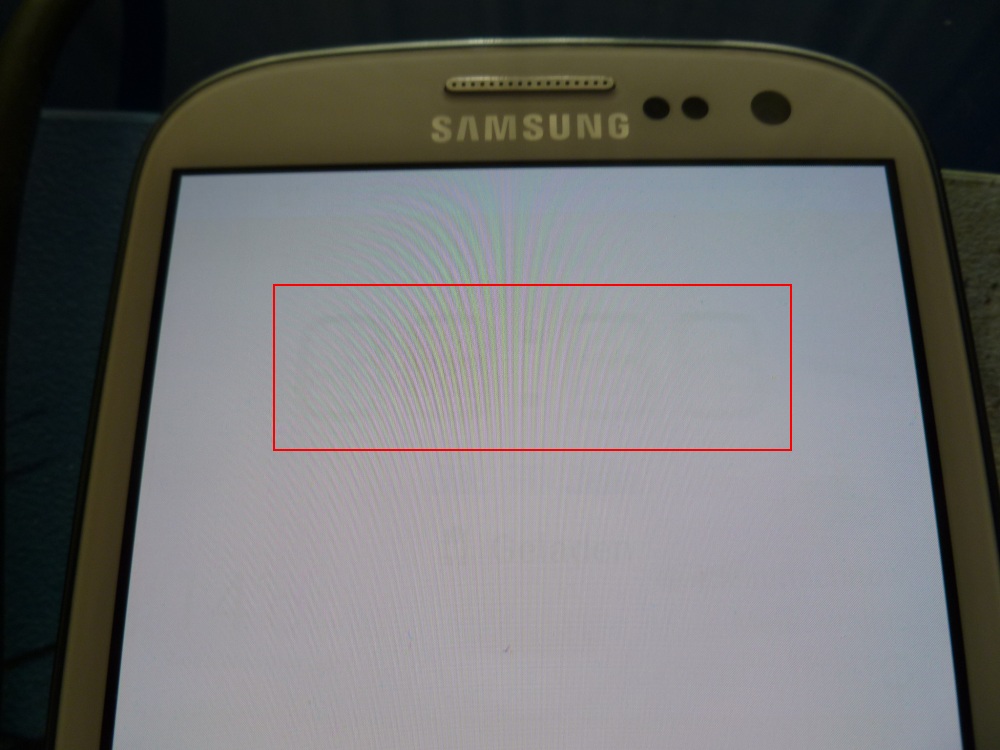
I heard of a lot horror stories about (AM)OLED displays which have burn in marks after using for only a very short time. A known issue of OLED displays is that they age quite fast (compared to LCDs), particularly blue.
Most horror stories / proof of burn in marks I found are from 2011 or 2012. There are recent articles online which claim that this is still a big issue but they substantiate their claim with rather old photos of the burn in marks, or don't say what device had burn marks, or deal with TVs which are much brighter than, say, smart phones and a bit more prone to wear out.
I picked some random results of a Google search for oled burn in or amoled burn in (these are predominantly smartphone examples because that is where the heaviest use of these displays has been):
- 08/2011 Samsung Galaxy S II, released in May 2011, OP says this phone was a week old and used for about 4h/day with active light\sensor
- 02/2012 redditors about phone that are already used for a few years
- 08/2012 review of Samsung Galaxy SIII (released in May 2012) (complete article in German) (picture)
- 09/2013 (model and release dates of the shown devices are unknown)
- 10/2014 wired says bright OLED screens like TVs still has the burn in issue
- 12/2014 Users of some smartwatches complain about burn-ins. I don't know how smartwatches work, is the display contantly turned on?
- 12/2014 daily use of an unknown Samsung phone for >3h
Wikipedia says that OLED still has these issues.
The biggest technical problem for OLEDs was the limited lifetime of the organic materials. One 2008 technical report on an OLED TV panel found that "After 1,000 hours the blue luminance degraded by 12%, the red by 7% and the green by 8%." In particular, blue OLEDs historically have had a lifetime of around 14,000 hours to half original brightness (five years at 8 hours a day) when used for flat-panel displays.
But the report is from 2008 and it does not cover tablets, which have much darker displays.
So, it this still an issue?
And can somebody confirm whether OLEDs of "older" displays (older than June 2014), have poor outdoor performance? (Wikipedia claims that recent advances in OLED technology allow some of these displays to surpass LCDs for outdoor performance)