5

We are in the process of doing renovations on a home which was built in the early 70s in Toronto. The home has aluminum wiring in most places except the basement which was completed later.

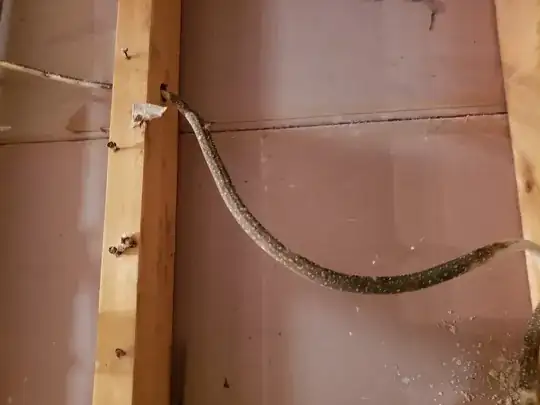
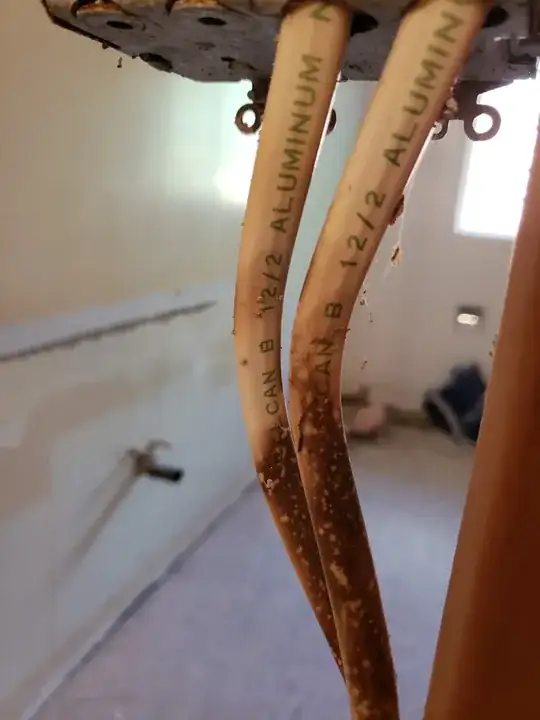
When some walls were removed we noted that sheathing on some of the wiring is discoloured, looking almost burnt. Is this "normal" with aluminum wiring? Any thoughts on what could have caused this? How do you recommend that we address this?

Again appreciate any pointers from the experts here. Thanksenter image description hereenter image description hereenter image description here enter image description hereenter image description hereenter image description hereenter image description hereenter image description here
user105375
  • 551
  • 2
  • 9
  • 22
  • 2
    ANY CHANCE OF FOLLOWING IT BACK TO THE PANEL AND TELLING US WHAT IT SERVED AND A BREAKER SIZE? – JACK Sep 03 '19 at 20:27
  • Since you have the walls open anyway, why not just replace it? Or is this only part of the run, and a lot of it is still buried in walls you weren't planning to open? – Nate S. Sep 03 '19 at 20:59
  • 1
    The problem with aluminum wire ( oxide build-up causing resistance) is at any connections, not along the length. – blacksmith37 Sep 03 '19 at 21:42
  • 1
    12 AWG aluminum is supposed to be protected with a 15 A breaker. The 20 A circuits are supposed to be wired with 10 AWG aluminum. If these circuits were wired as if they were copper (where 12 AWG is rated for a 20 A breaker and 14 for 15 A), then they could have gotten hot and discolored the sheath. – Jim Stewart Sep 03 '19 at 23:06
  • 1
    What size breaker protects these circuits? In fact, can you post photos of your breaker panel? – ThreePhaseEel Sep 04 '19 at 00:13
  • 2
    The problem with aluminum wire I have had it break or did inside a wall , no junction and it did scorch the insulation and everything close. This could be similar like the single cable but the 2 cable one for a total of 3 would have me replacing all the aluminum. I would put a heavy load like a space heater or a hair dryer on that circuit and check the cables with a infrared camera, you may check it with another type of device to measure the temperature close to the “damaged area” and a few inches away where the insulation looks normal. If there is a temp difference time to replace before ? – Ed Beal Sep 04 '19 at 01:52
  • Thanks for all the responses. These are wires in the main bath and controlled fluorescent lights and a couple of wall outlets (non-GFCI). I will check the breakers if I can figure it out and report back. We are removing some walls not all of them. That said don't get a good feeling seeing the wire insulation in this condition. In other places wires seem fine from the outside. Btw we also have some aluminum wiring in the home with different insulation (not plastic) - will share pics of those. – user105375 Sep 04 '19 at 11:13
  • Hi there I checked the panel and they breakers appear to be mostly 15A. I have updated my original post with picture of the panel as well as some of the other wires used in the home. Not sure why there are so many different types but they seem to be aluminum with the exception of a couple. Any tips greatly appreciated. – user105375 Sep 06 '19 at 03:44
  • @blacksmith37 If it's bad enough, that kind of corrosion can travel well up into the wire inside the sheath. I've seen this with cheap Al wire used to power car stereo amps. – Christopher Hunter Sep 13 '19 at 22:44
  • I don't see how you sleep at night. Perhaps if you show these pics to an insurance agent, they could tell you if the ins. co. would cover a complete re-wire of your home. In any event, time to replace and sleep better. Seems a matter of time until the insurance co. buys your replacement home, if you survive the fire. – peinal Sep 17 '19 at 18:41

2 Answers2

1

Yeah, it looks like slow-cooked wires

The type of damage you have appears like the cable jackets have slow-cooked themselves from extended overheating due to overload. While properly terminated aluminum wiring is normally OK to keep around, the overheating damage means that the cause of the overheat/overload should be found/corrected, and the damaged cabling runs replaced outright.

ThreePhaseEel
  • 79,142
  • 28
  • 127
  • 220
0

Overheating!!. The aluminum tendency is to oxidize and is incompatibility with devices designed for use with copper wiring. Problems with aluminum are found usually at termination points. It's a really tricky problem since you should remove and replace all the aluminum wiring.