3

A perfect example of what I'm looking for is a position like this one, the "Blackburne Shilling Gambit"

1 e4 e5 2 Nf3 Nc6 3 Bc4 Nd4?

[fen "r1bqkbnr/pppp1ppp/8/4p3/2BnP3/5N2/PPPP1PPP/RNBQK2R w KQkq - 4 4"]

The stats from Lichess show that Nxe5 is the second most popular move - being played half as often as the most popular move - despite giving a decisive advantage to black.
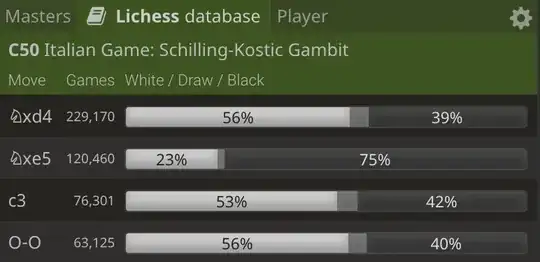
In this case at least, it's obvious enough that it's an intentional gambit from black and a dubious line to play into. In other positions, however, there's much less reason to suspect an otherwise typical opening move will lead to a tactic. I know I've certainly run into those positions when playing against an engine, though I can't remember any in particular

Rosie F
  • 6,255
  • 2
  • 19
  • 35
mowwwalker
  • 416
  • 3
  • 8
  • 1
    Does any of these answer your question? https://chess.stackexchange.com/questions/15744/is-there-a-list-of-all-potential-mates-traps-under-10-moves-or-so https://chess.stackexchange.com/questions/822/what-are-some-common-chess-traps/825#825 – hb20007 Jan 08 '22 at 07:59
  • Those look promising, thank you. I'll check them out. I deliberately avoided asking about opening "traps" because I didn't want to exclude scenarios where the misplay isn't necessarily a move the opposing side is hoping for when playing the line. Granted that that's the case with the example I gave though.. – mowwwalker Jan 08 '22 at 18:16
  • 1.e4 c5 2.Nf3 a6 3.d4?! – David Jan 09 '22 at 12:15

1 Answers1

3

A perfect example of this would be the Stafford Gambit. Analysis done by IM Eric Rosen shows many very tricky traps.

SecretAgentMan
  • 3,467
  • 2
  • 12
  • 44
brekker
  • 829
  • 4
  • 11