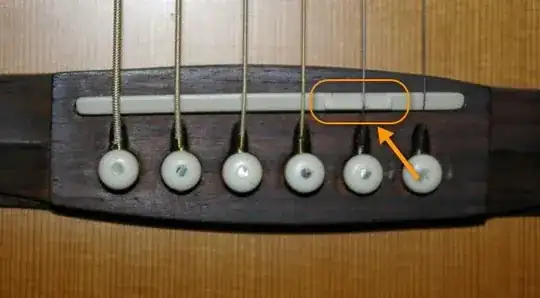
Everything I have read is correct but one major point is where the fulcrum is, at both the nut and the saddle effects intonation the most with a properly made steel string acoustic guitar. It is very hard to see and make the actual fulcrum point correct.
The nut is usually filed by hand using eyesight but if you look at each string slot they are always off, one way or the other. It may appear to be a very small difference but that is the trick to intonation. That is why your E string sounds out of tune at the 12th fret. That little difference amplifies itself as you go down the frets. At the 12th fret your string should be cut in half but you have something off. Most makers try to compensate at the saddle.
Buzz Feiten created a nut compensation setup. It is unusual and if you read about it you will scratch your head and say when will it end.
Very simply getting the actual high point on the nut (the fulcrum) and the same on the saddle, you will be close but is the actual high point on each fret correct and was it placed at the exact position? This is where the math comes in. On my personal guitars I set them up a little at a time because so many things can alter the overall dimensions.
High or low humidity can move your neck, the bridge and top of the guitar will drop down or go up depending on humidity and temperature. Your guitar is always moving. I don't try to fix everything at once but over time I listen to differences. One thing I do is listen to each string plucked open than I fret it and listen for clarity. If it sounds better fretted the nut is pinching the sides of the string or the fulcrum is wrong. I take my saddle and polish it with 600 emery cloth then 0000 steel wool. I use a gem eye scope and look at each point on the saddle and make sure it is right. I do the same on the nut.
So many things affect the intonation all you can do is get everything correct according to all the information luthiers have passed on and if you have anything to add to it than do so. People are very creative and someone will come up with a way to get it perfect. Machines have been made to do all of this but it still comes down to all the little things that can be off by microscopic differences. I get it right over time and always keep my guitars comfortable with the right temperature and humidity.
One last thing, strings are all a little different. Playing around with different string brands and type may also help . You have to have a very good ear and some very good tuners that can be placed at different points on the guitar giving me slightly different readings. Think about a violin, your finger placed at exactly the right place creates the intonation. Guitars have frets, nuts and saddles to do this so listen to anyone that has an idea and you will learn.