I have a 50s metal medical cabinet that I would like to restore. I don't have access to a stripping tank so what would be the best way to remove old paint and rust. I'd love to get it back to metal and clear coat it.. is that possible?
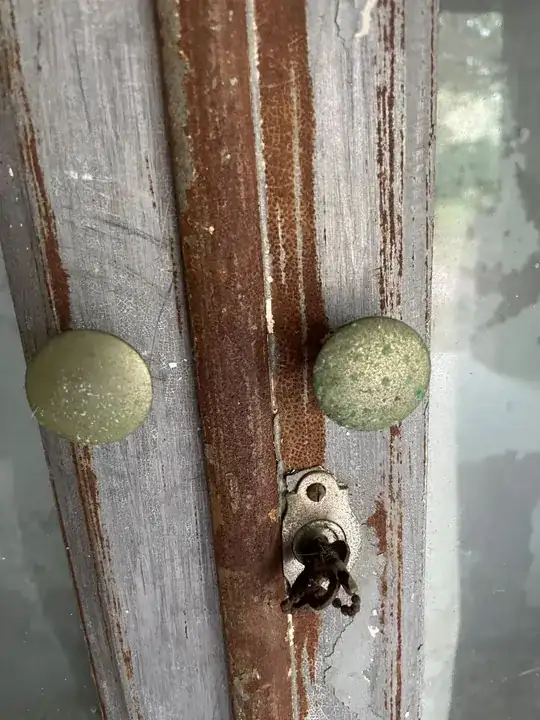
I have a 50s metal medical cabinet that I would like to restore. I don't have access to a stripping tank so what would be the best way to remove old paint and rust. I'd love to get it back to metal and clear coat it.. is that possible?


I asked a similar question here: Preparing an old metal cabinet for painting.
None of the recommended methods really worked out for me, and in the end I used an angle grinder with a scrubbing disk. I also used an attachment for the angle grinder to attach a vacuum cleaner (this produces a horrible amount of dust). Also it requires sanding after the paint is removed (the scrubbing disk does not leave an even surface).
Eye protection and a respirator are required for this.
I would recommend that you ask a body shop if they can sandblast the thing for you, this will save you a lot of effort and dirt.

Its hard to tell the size of the cabinet and how much you are going to clean. However, if its a decent size cabinet, you will want to use a gel based paint stripper. The advantage of gel based strippers is that, unlike liquids, they are much more viscous and will not run off like liquid strippers. The same goes for the rust remover. Any hardware store sells them. Neither are perfect and will might require multiple applications. Just follow the directions for the product. Heavy/stuck rust and paint might need steel wool or even sandpaper to remove it. Once its clean, be sure to clean the cabinet thoroughly with a degreaser and alcohol to have a clean surface before you repaint.

You want a bare steel cabinet with clear coat? Sand blast would clean it of paint and rust but leave a grey matte finish; the matte will be nothing like original. With a very large amount of work, you could sand it, preferably with power equipment; but then you would have a sanded finish - unlike original. You could chemically strip paint, leaving rust. Then use conversion coating ( eg. "Navel Jelly ") on rust leaving it mostly a black color; again, nothing like original. Basically you will have nothing like the original unless you paint it.

If you're going to paint a rusted-out the metal cabinet, the most reliable approach I can think to take is to do what an auto body mechanic would do with an old a rusted-out old fender.
You can likely find a how-to on YouTube somewhere - preferably by at least any of a half-dozen different experts who really know what they're doing so you can get a feel for what they do, and the similarities and differences between them to figure out what's more essential and what's more optional.
In general, that might start with a careful sandblasting (so as not to deform the metal), depending on how bad the rust is, or perhaps just a thorough scrubbing with steel wool followed by a vigorous cleaning with solvent to get all the rust off.
Once the metal's been prepped, a little auto body filler to fill the pits, dents, etc. Just apply it thick enough to be able to sand off the "scum" layer with a little 40-60 grit (but be careful to do it lightly enough so as to avoid deeper scratches, using a good sanding block to create some nice clean edges (but not too sharp). I would look for some YouTube videos to see how the pros do it.
After the body filler stage, you'll want to paint it with a layer or two of auto body primer, sanding each layer until the surface is first of all smooth, and second thoroughly covered by primer so the paint will stick to it.
Last comes the finish coat of paint. In all cases while painting, don't get in a hurry to where you make the paint run. You want the paint to flow a little so you can't see any fog streaks in it and get a glassy surface, but not much more than that. The pros tend to do about 4 layers, first horizontal, second vertical, then 45 degrees each way to avoid any streak patterns.
In general though, watching the pros do it on YouTube and learning everything you can from them should take you pretty far. If a picture's worth a thousand words, then a whole series of pictures at 42 frames per second or whatever it is, should be worth that much more. All the best!

